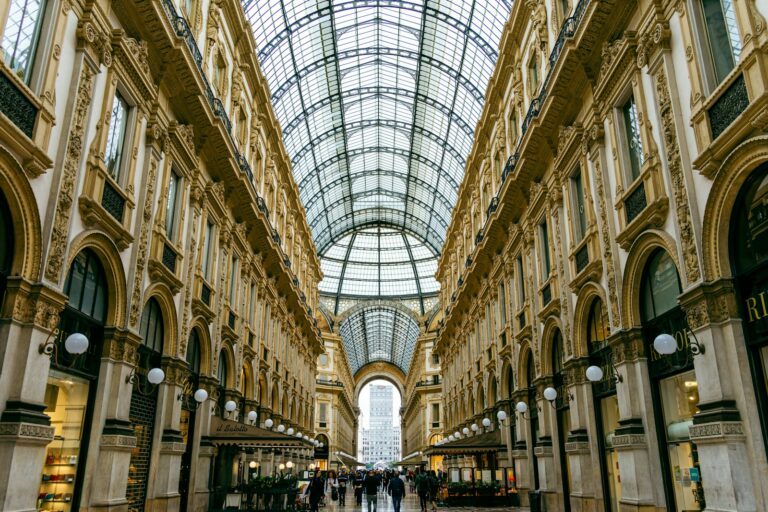
Milan for Families: Classic Tour
Family-friendly Milan walking tour from La Scala to Sforza Castle. Discover landmarks, stories & secrets…
Discover More →
Italian incentive travel grew 61% since 2019. A 2026 guide for HR and sales leaders planning executive rewards that drive real business ROI....
The conversation about incentive travel has shifted. What CFOs once treated as a discretionary perk is increasingly classified as a measurable retention tool — and the numbers explain why. The Incentive Research Foundation reports that incentive travel programmes deliver an average 4:1 ROI, and 45% of companies plan to grow travel-based incentives in 2026.
Italy has captured a disproportionate share of that growth. Bookings into the country rose 61% between 2019 and 2024, faster than any other European destination, and 2026 forecasts continue the trend. The reason is structural: Italy combines flight access from every major business hub with a density of five-star properties, Michelin restaurants, private estates, and serious cultural infrastructure inside a four-hour driving radius. No other country in Europe makes it so easy to deliver an incentive programme that feels different from the usual conference-hotel circuit.
For HR leaders, sales VPs, and founders planning their 2026 rewards calendar, the operational question has become specific: which Italian region, what budget, through which kind of partner. This guide is written for the people making that call.
The model is changing. Where past incentive trips defaulted to flying the top fifty to a beach resort, handing out plaques, and flying home, 2026 programmes are smaller, more deliberate, and measured against business outcomes rather than satisfaction surveys.
Three shifts matter most for planners.
ROI and Return on Engagement (ROE). Companies now expect incentive travel to move retention numbers, internal referrals, and sales uplift — not just attendee satisfaction scores. Boards want post-trip dashboards, not photo albums.
Purpose-driven experiences. Top performers respond to programmes that feel like personal development, not luxury tourism. Truffle hunting in the Langhe, working alongside a Michelin chef in Tuscany, or sailing a regatta in Sardinia all qualify. All-inclusive sun-and-sand does not.
Smaller, higher-investment cohorts. The trend is toward groups of 15 to 40 receiving deeper experiences over four or five days, rather than 200-person trips with thinly spread programming. Per-person spend rises; total budget often stays flat.
The implication for planners is that the destination must support intimate, bookable, premium experiences — not just hotel rooms.

The 61% growth figure is not a fluke. Italy offers four advantages that competing destinations cannot easily match.
Story density. Every region has a marketable narrative — Renaissance art, Roman antiquity, Alpine altitude, volcanic coastlines, wine appellations. Programmes can be themed without effort.
Operational maturity. Italy hosts six of Europe’s top thirty luxury hotel groups and the highest concentration of Michelin three-star restaurants outside France. A DMC can sequence five distinct experiences in a four-day programme without anyone leaving a ninety-minute drive radius.
Recognition value. Lake Como or the Amalfi Coast carries social cachet that a third-tier European resort cannot replicate. Top performers post the trip; the company gets earned media inside its own talent market.
Bilingual sophistication. International groups land in Milan or Rome with English-fluent ground operators, English menus at the restaurants that matter, and a hospitality industry trained to handle American, Asian, and Middle Eastern corporate clients without friction.
Italy is, in short, an easy country to run a difficult programme in.
The right region depends on group size, season, and the cultural signal you want to send.
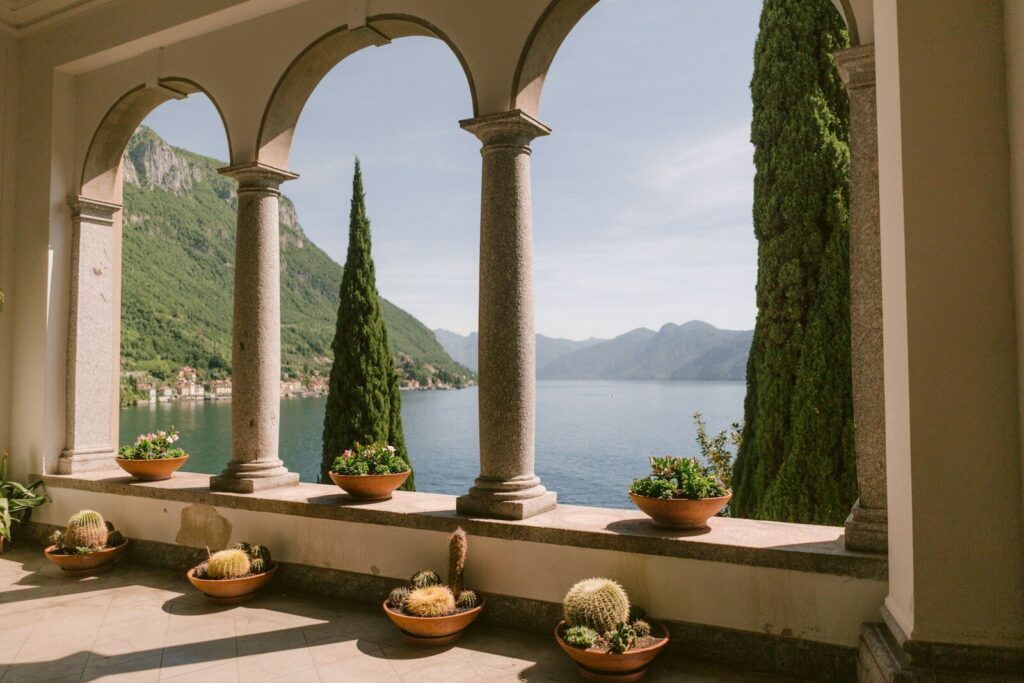
Lake Como is the natural choice for board offsites and C-suite retreats of twelve to thirty people. Historic villas — many private, some bookable — host plenary sessions in frescoed salons; Villa d’Este sets the white-glove benchmark. Per-person spend typically starts around €1,200 per night for accommodation alone. Best months: April through October. Our spring guide to Lake Como covers the lakeside venues that most consistently host executive groups.
For top-performer programmes of thirty to eighty people built around recognition and reward, the Amalfi Coast and Sardinia’s Costa Smeralda are unbeatable. Properties such as Belmond Hotel Caruso in Ravello, the Hotel Splendido in Portofino, and Cala di Volpe in Porto Cervo all handle full buy-outs for incentive groups. Costa Smeralda peaks in June and September; Amalfi extends from May through October.
For groups that want substance — wine education, cooking with starred chefs, agricultural immersion — Tuscany, the Langhe, and the food belt around Parma deliver the deepest experiences. Estates such as Castello di Casole, Borgo Egnazia, and Reschio each host residency-style programmes for fifteen to forty people. The food-and-wine narrative also reads exceptionally well in post-trip communications to the broader employee base.
Post-Olympics, Cortina d’Ampezzo and the wider Dolomites have become the answer for incentive programmes seeking exclusivity in winter or shoulder seasons. December through March suits ski-and-spa formats; June through September suits mountain wellness and hiking. Expect sticker shock — Olympic-driven demand has reset pricing — but also expect facilities upgraded to international standard.
For programmes blending business meetings, cultural access, and a single luxury hotel base, Milan and Rome both work. Milan suits the corporate audience: the best luxury hotels in Milan — Four Seasons Hotel Milano, Bulgari Hotel Milan, Mandarin Oriental Milan, and Park Hyatt — all manage full executive groups. Rome suits incentive winners chasing once-in-a-lifetime moments: private after-hours access at the Vatican Museums, a private dinner inside the Galleria Borghese, or a closing-night booking at one of the city’s three-star restaurants.
Real numbers from 2026 programmes:
Two factors move pricing more than anything else: season (June through September can run 40% above shoulder months) and exclusivity (private-villa buy-outs cost three to four times the equivalent hotel room nights). Programmes that flex on dates and accept hybrid-property formats — some hotel, some private estate — often hit their target spend without compromising experience quality.
Air travel is typically managed separately by the corporate travel team and is not included in DMC pricing.
The booking window has lengthened. Italian luxury properties — particularly those equipped to handle full incentive groups — sell out six to nine months in advance for peak season and four to six months for shoulder season.
Recommended planning timeline:
For programmes targeting top-performer sales contests with year-end qualification dates, this means starting destination conversations almost a full calendar year before the trip itself. Companies that begin planning inside ninety days routinely settle for compromise venues or off-peak dates.
Most corporate travel teams default to whichever global agency holds the company’s RFP. For incentive travel into Italy, this often produces predictable programmes — competent, but visible to every other client of the same agency.
An Italian destination management company brings three things a generic agency cannot match. Direct supplier relationships — the difference between booking the public villa rate and securing a buy-out. Last-minute access — the table at Michelin starred restaurants, the after-hours private tour, the chef who will leave the kitchen for a Q&A. And cultural translation — the difference between a programme that feels Italian and a programme that feels like Italy interpreted through an American or British lens.
The trade-off is that DMCs are local. A US-based or UK-based corporate buyer needs an Italian DMC partner that operates in their language and on their procurement timeline. This is the niche Gold Black Style operates in — and the reason the GBS team will be at Private Luxury Forum Split (10-13 May 2026), meeting buyers and corporate clients from across Europe and the Middle East.
For executives evaluating broader concierge support beyond incentive trips, our companion guide on why leading companies hire private concierge services for their executives goes deeper on the year-round case.
Three operational habits separate the programmes attendees still remember a year later from the ones they barely recall.
Brief the DMC like a strategic partner, not a vendor. Share company values, cultural sensitivities, qualifying criteria, and past programme feedback. The depth of the brief sets the ceiling on what the on-ground team can deliver.
Build in unstructured time. The most-praised element of well-run incentive trips is consistently the morning or afternoon left open — not the headline activity. Top performers value the ability to compose their own day inside a coherent framework.
Document for the next twelve months. Photo and video assets captured during the trip become the recruiting and retention content that motivates the next year’s qualifying class. Build the deliverable into the DMC scope from the start.
What does an incentive trip to Italy actually cost per person in 2026?
Most programmes land between €2,500 and €8,000 per person, with mid-tier sales-club trips at the lower end and senior leadership retreats at the upper end. Fully bespoke programmes — private villa buy-outs, chartered aircraft, after-hours museum access — start at €10,000 and have no real ceiling. Air travel is almost always quoted separately.
How far in advance should we start planning?
Twelve months ahead for peak season (June-September) and six to nine months for shoulder months. Programmes booked inside ninety days will work, but the venue list narrows considerably.
Which Italian region is best for a first incentive programme?
Lake Como for senior leadership groups of twelve to thirty. Tuscany for purpose-driven culinary programmes of fifteen to forty. The Amalfi Coast or Costa Smeralda for sales club incentives of thirty to eighty. The right answer depends on group size and the cultural signal the company wants to send.
Why use an Italian DMC instead of our existing global travel agency?
Direct supplier relationships, last-minute access, and cultural translation. A local DMC can secure venue buy-outs, exclusive restaurant tables, and after-hours cultural access that a generic agency simply cannot route through procurement systems in time.
How is incentive travel ROI measured in 2026?
The standard set is moving beyond satisfaction scores toward retention rates inside the qualifying cohort, internal referral volume in the months following the trip, and sales uplift attributable to motivated qualifying behaviour. Boards expect a post-trip dashboard, not a photo album.
Can the same programme work for English-speaking and multilingual European groups?
Yes. Italy’s hospitality industry runs in English by default at the property and DMC level. Local guides, chefs, and venue staff are routinely cleared to operate in English, French, German, or Spanish on request. For groups that include Italian-speaking attendees, the experience naturally accommodates both.
Where can I meet GBS in person?
The GBS team will be at Private Luxury Forum Split from 10 to 13 May 2026. To schedule a meeting in advance, or to start a conversation about a 2026 incentive programme, contact us via the form below — every enquiry is handled bilingually in English and Italian via the language switcher.
Family-friendly Milan walking tour from La Scala to Sforza Castle. Discover landmarks, stories & secrets…
Discover More →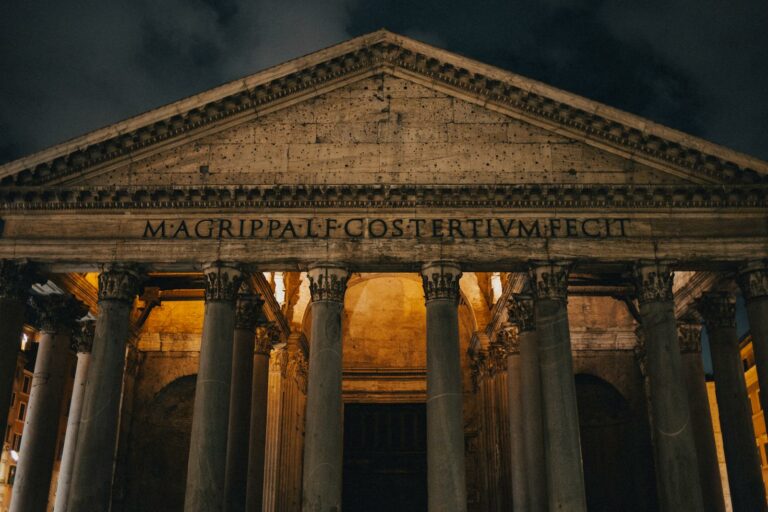
Experience Rome's magic after dark on a golf cart tour. Admire illuminated monuments and city…
Discover More →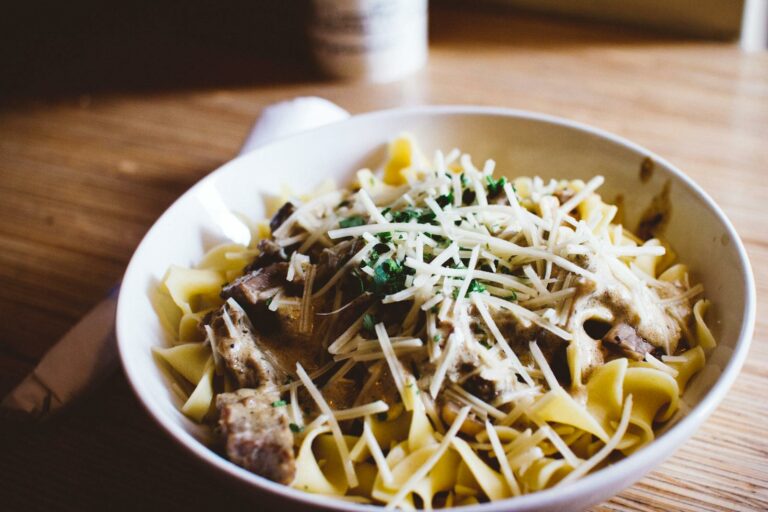
Live an unforgettable culinary experience at our chef's home! Enjoy a private cooking class and…
Discover More →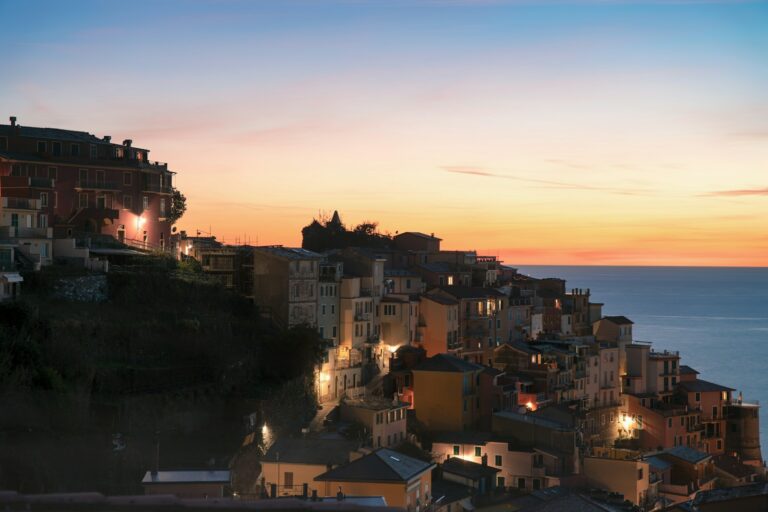
Let the sea breeze, colors, and timeless charm of the Cinque Terre create a memory…
Discover More →