
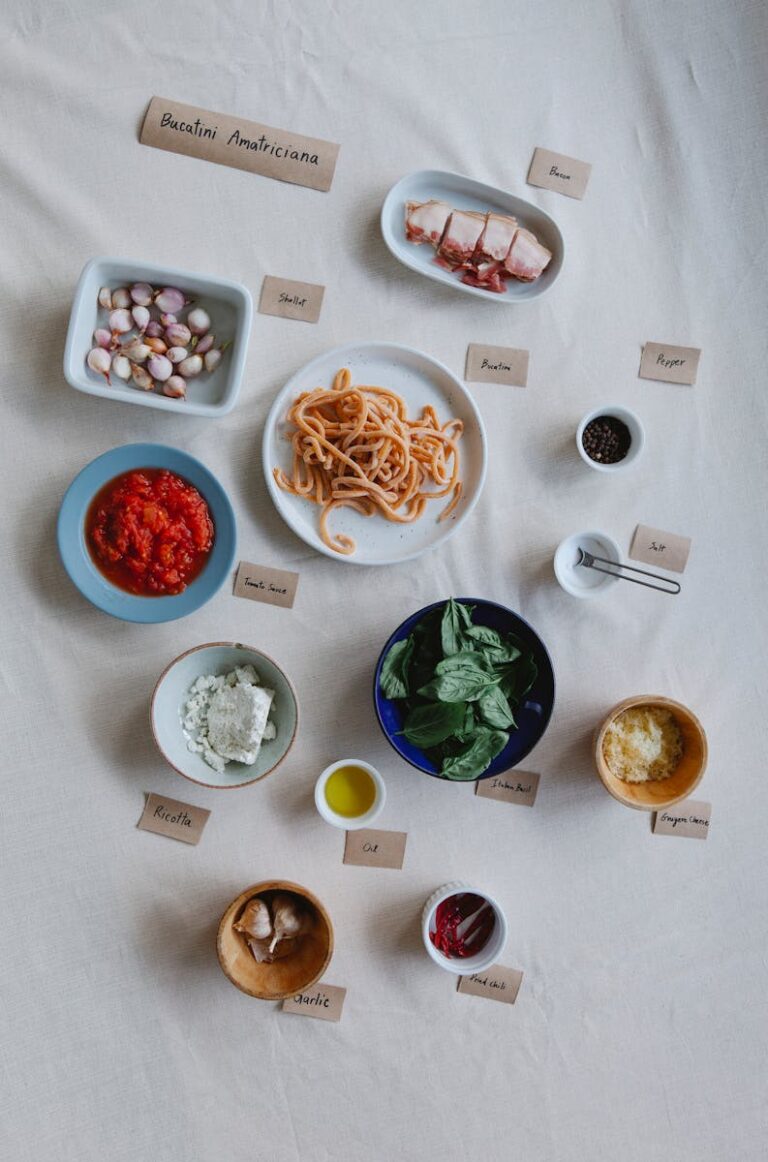
Local market tour and cooking class experience
A culinary experience is the best way to immerse in the flavors and traditions of…
Discover More →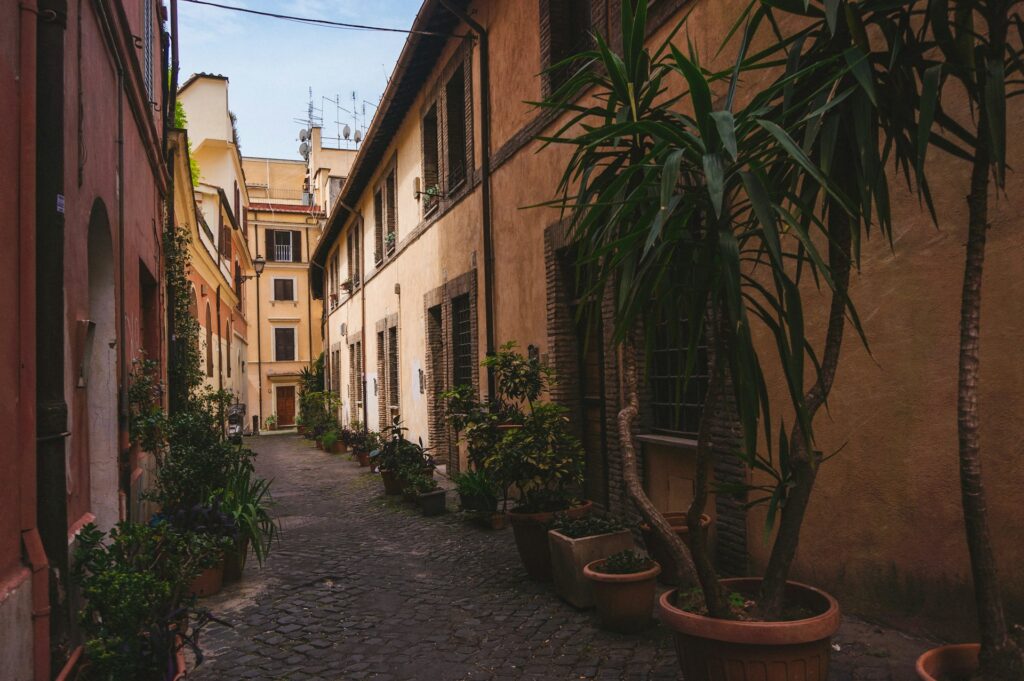
Exclusive private walking tours of Rome reveal a different city — quiet quartieri like Aventino and Coppedè, hidden palazzi, artisan workshops, and underground archaeology far from the standard tourist trail....
Rome’s icons absorb the eye — the Colosseum draws the morning queues, Trevi gathers its evening crowd, and St. Peter’s swallows the better part of any first-time visitor’s day. Most travellers walk past doorways that open onto a 19th-century goldsmith’s workshop, past gardens enclosing 1920s residential courtyards, past an entire Art Nouveau quarter that Romans themselves rarely visit. The deeper interest of the city sits behind these closed doors.
A private walking tour, paced for two or four people rather than thirty, is the only practical way to reach this version of Rome. A licensed guide can knock on an artisan’s workshop door and have it open. The pace can slow long enough to read a marble inscription. Mornings can begin before the gates of the Colosseum even open, lunches can stretch into the long Roman afternoon, and an entire day can be spent inside a single quartiere that most guidebooks compress into a single paragraph.
For anyone returning to Rome — or arriving for the first time looking for something beyond the standard checklist — exclusive private walking tours open the city in a way scheduled group experiences cannot. What follows is a guide to the routes, the quieter neighborhoods, the underground spaces, and the appointment-only interiors worth asking a private guide to organise.
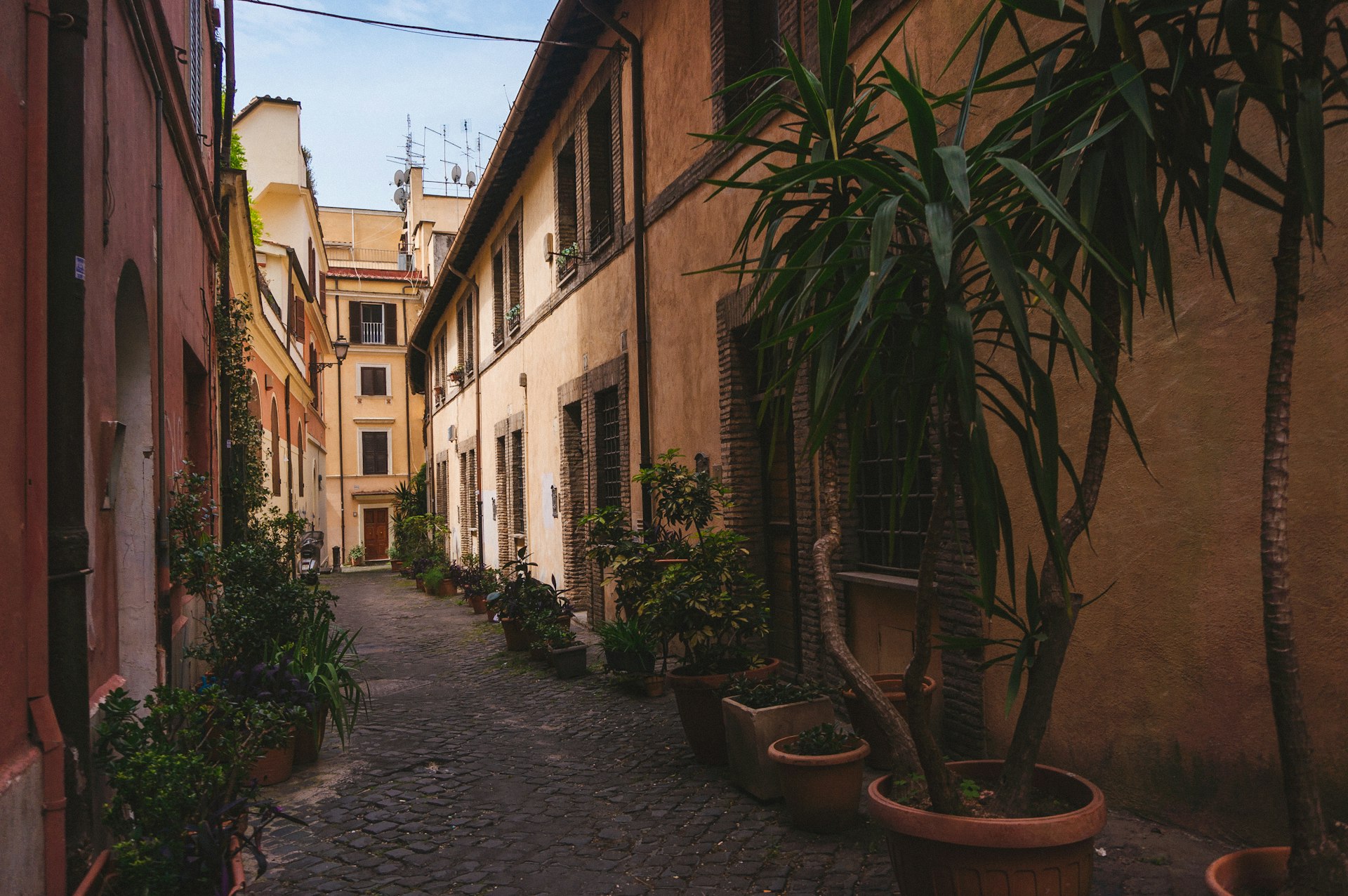
The economics of group tours impose their own geography. A guide leading twenty-eight people can only stop on wide pavements and at sites with public toilets. They cannot ring the bell of a leather workshop on Via dei Cappellari. They cannot adjust the route mid-morning because the light on the Aventine is unusually clean. They cannot keep a Caravaggio room to themselves for forty minutes.
A private guide can. Operators like Through Eternity Tours, Context Travel, LivTours, and Walks of Italy have built their reputations on small-group and exclusive private formats, with licensed local guides — Guide Turistiche Abilitate della Regione Lazio — who design routes around the family or couple in front of them rather than around a fixed script.
The difference shows in the access. Private bookings can include early entry at the Parco Archeologico del Colosseo, after-hours visits to the Gallerie Nazionali Barberini Corsini, and pre-arranged stops at artisan ateliers that do not advertise to tourists. The walking pace is set by the slowest knee in the group, not the fastest umbrella.
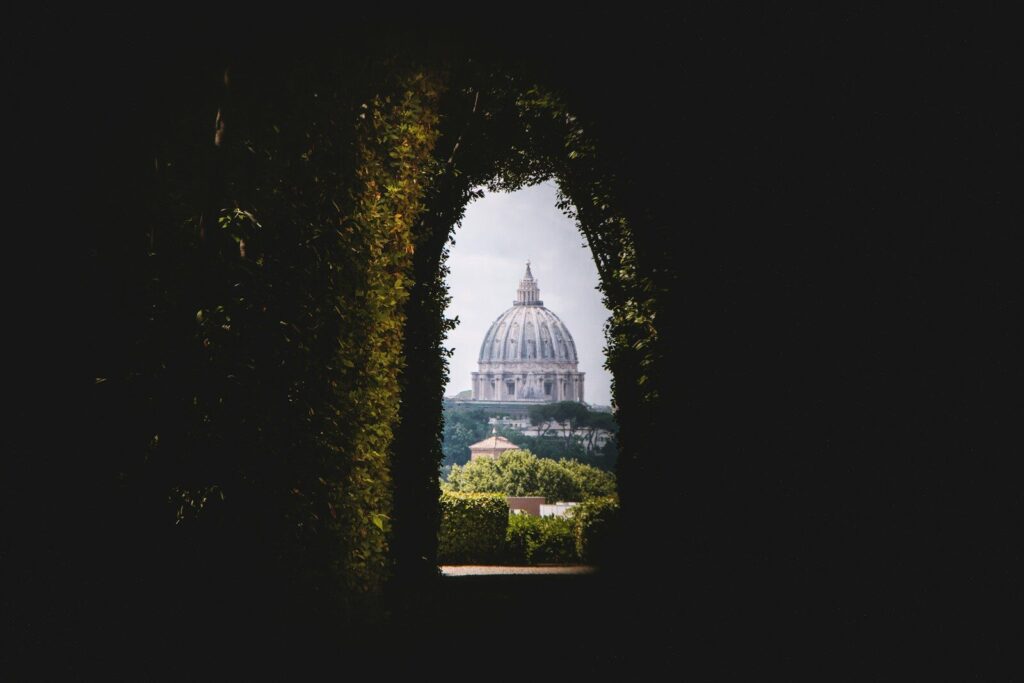
The Aventine Hill is where wealthy Romans live, and they live there for a reason. The traffic noise dies at the foot of Via di Santa Sabina. The Basilica of Santa Sabina sits at the summit with its 5th-century cypress-wood doors still intact, one panel showing the earliest known depiction of the Crucifixion. A few steps further, the Giardino degli Aranci opens to a terrace over the Tiber, the dome of St. Peter’s framed in the distance. The famous keyhole at the Priory of the Knights of Malta aligns the same dome inside a green tunnel of hedges — a piece of optical theatre designed by Piranesi in the 18th century.
Below the Aventine, the small district of San Saba — fewer than a dozen streets — retains a medieval-village feel that almost nothing else in central Rome can match. The Basilica of San Saba, founded by Palestinian monks in the 7th century, anchors a small piazza where children still play in the late afternoon.
North of the centre, the Quartiere Trieste and the so-called Quartiere Africano were laid out in the 1920s and 1930s in a calm grid of three-storey palazzine. The Studio di Luigi Pirandello, where the Nobel laureate wrote his final plays, is preserved exactly as he left it in 1936 and opens to visitors by appointment. A private guide can sequence the visit with a coffee at a neighbourhood bar where nobody speaks English and the cornetti come out of the oven at 7:30.
The Quartiere Coppedè covers barely two city blocks around Piazza Mincio in the Trieste district, and almost no first-time visitor reaches it. The architect Gino Coppedè designed the entire ensemble between 1913 and 1927 as a single, slightly hallucinatory composition: Art Nouveau pressed against medieval revival, Assyrian motifs against Florentine rustication, all of it held together by the Fontana delle Rane at the centre of the piazza.
The Villino delle Fate, on the western side, carries hammered-wrought details of Dante, Petrarch, and the Florentine signoria. The Palazzo del Ragno opposite it shows a giant spider over its main entrance. Beatles fan trivia: in 1965, John Lennon and Paul McCartney are said to have spent an afternoon photographing the buildings here. A private morning visit, ideally before 11, lets the small piazza sit in near-silence. A guide who knows the area will continue on foot to Piazza Buenos Aires, then loop down through Via Tagliamento toward the older Quartiere Trieste cafés.
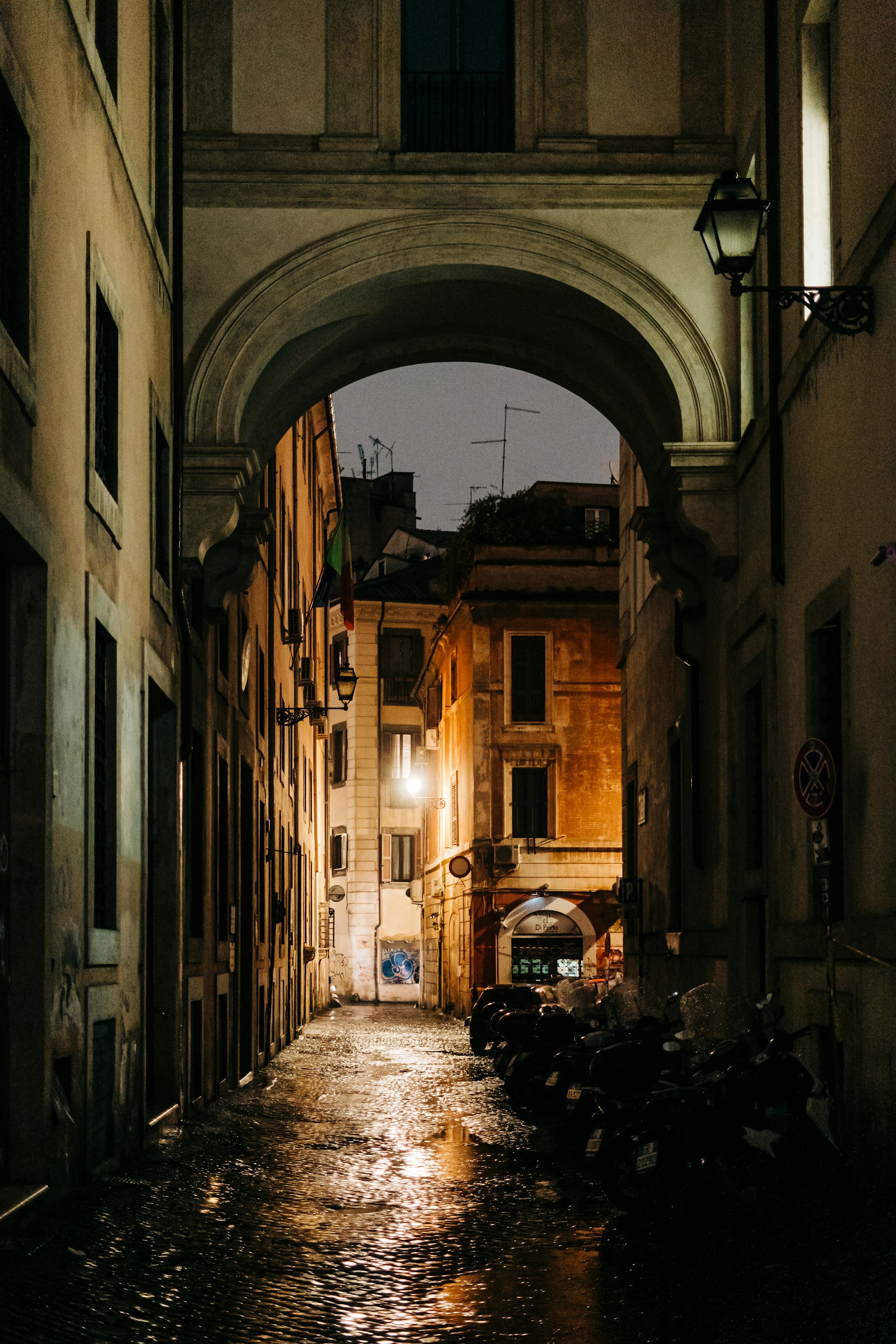
Beneath every square in the centre, Rome continues for another twelve to twenty metres. An exclusive private walking tour that incorporates the underground reads the city in section, not just in plan.
The Domus Aurea — Nero’s vast pleasure palace built after the fire of AD 64 — opens only on weekends and only to groups led by archaeologists from the Parco Archeologico del Colosseo. The visit moves through frescoed vaulted rooms still being excavated, with a VR reconstruction that fills in the missing marble and the lost lake. A private tour can book the first slot of the morning, before any other group arrives.
Underneath Piazza Navona, the Stadio di Domiziano preserves the original 1st-century arena whose footprint gave the piazza its shape — the curved end at the northern side, the long flanks where chariots once turned. The site is small, the entrance unmarked, and a guided visit lasts under an hour. Further out on the Via Salaria, the Catacombe di Priscilla contain the earliest known image of the Virgin Mary, frescoed onto a tomb wall around AD 230. The catacombs are maintained by the Benedictine nuns of the adjoining convent, and visits are unmistakeably less crowded than those at San Callisto or San Sebastiano.
Inside the centre itself, the Basilica di San Clemente al Laterano stacks three buildings on top of each other: a 12th-century church, a 4th-century basilica directly beneath it, and at the lowest level a Mithraeum and a Roman house from the 1st century. Walking down through the levels is one of the cleanest summaries of Rome’s chronology available anywhere in the city.
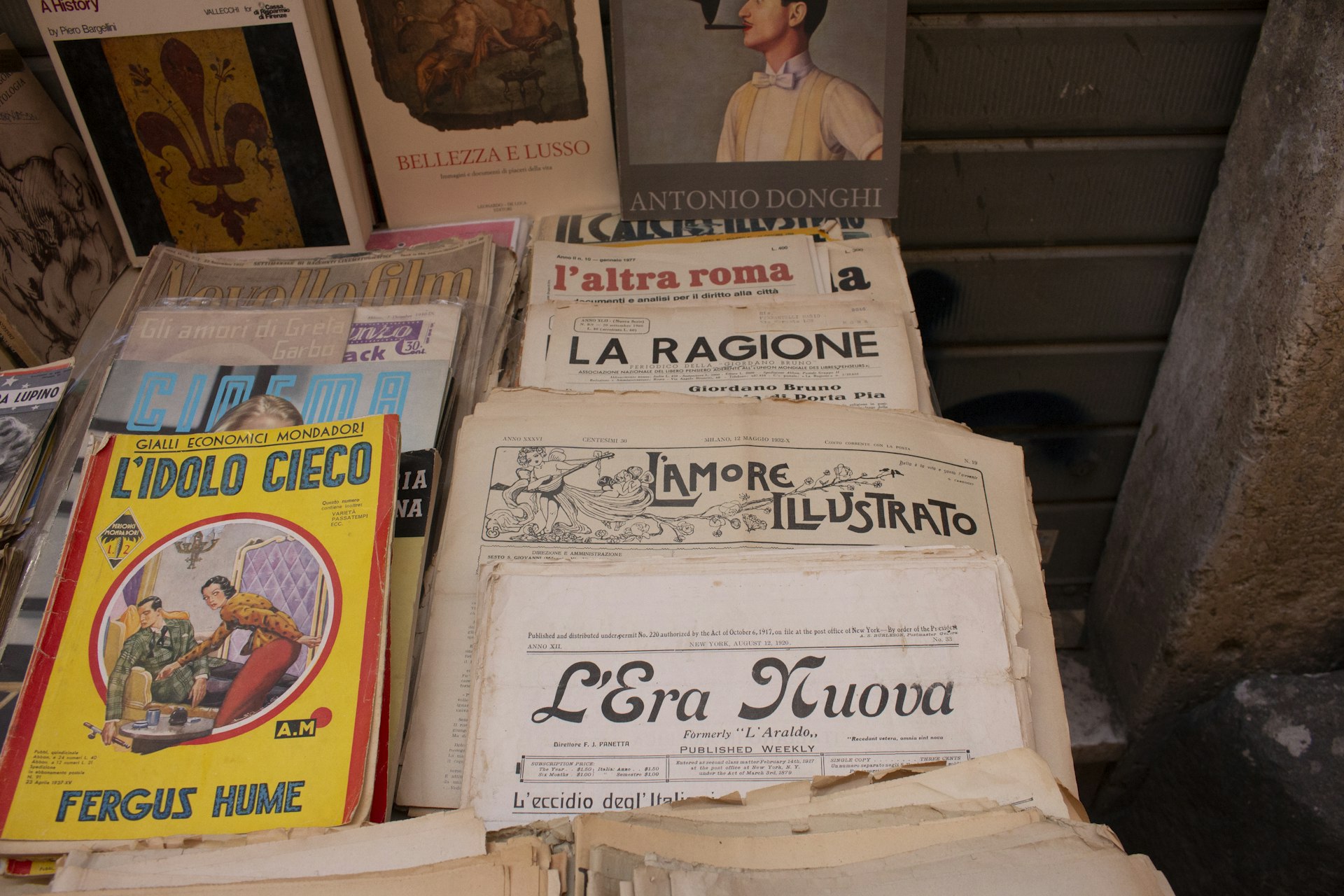
Rome’s centro storico still contains workshops whose generations of ownership can be measured in the same century as the buildings around them. A private walking tour built around the artisan trades is one of the city’s most rewarding routes — and almost impossible to assemble without a guide who knows which doorbells to ring.
Bottega Mortet, founded in 1865 and now run by the fifth generation of the Mortet family, makes ecclesiastical silverware for the Vatican, bespoke goldsmithing for private clients, and small repairs for parishes that have nowhere else to go. Their workshop sits in Via dei Portoghesi, two minutes from Piazza Navona, behind a door that gives no hint of what is inside. On Via Margutta — the street where Federico Fellini lived for thirty years — Sandro Fiorentini’s Bottega del Marmoraro at number 53b carves marble plaques to order, in Latin or Italian, while you wait.
For bespoke footwear, Cesare Diomedi in Via di Campo Marzio has shod cardinals, ambassadors, and Italian heads of state for half a century. Marinella, the Neapolitan tie-maker founded in 1914, keeps its Roman atelier on Via di Campo Marzio as well — seven-fold ties hand-stitched in numbered editions. Around the corner, Antica Erboristeria Romana on Via di Torre Argentina has been selling tinctures, oils, and herbal preparations since 1752 from the same wood-shelved rooms.
An artisan-focused walking tour pairs naturally with Rome’s culinary craft tradition, particularly if it ends with a tasting at a salumeria or a small lunch in one of the trattorias of the Campo Marzio.
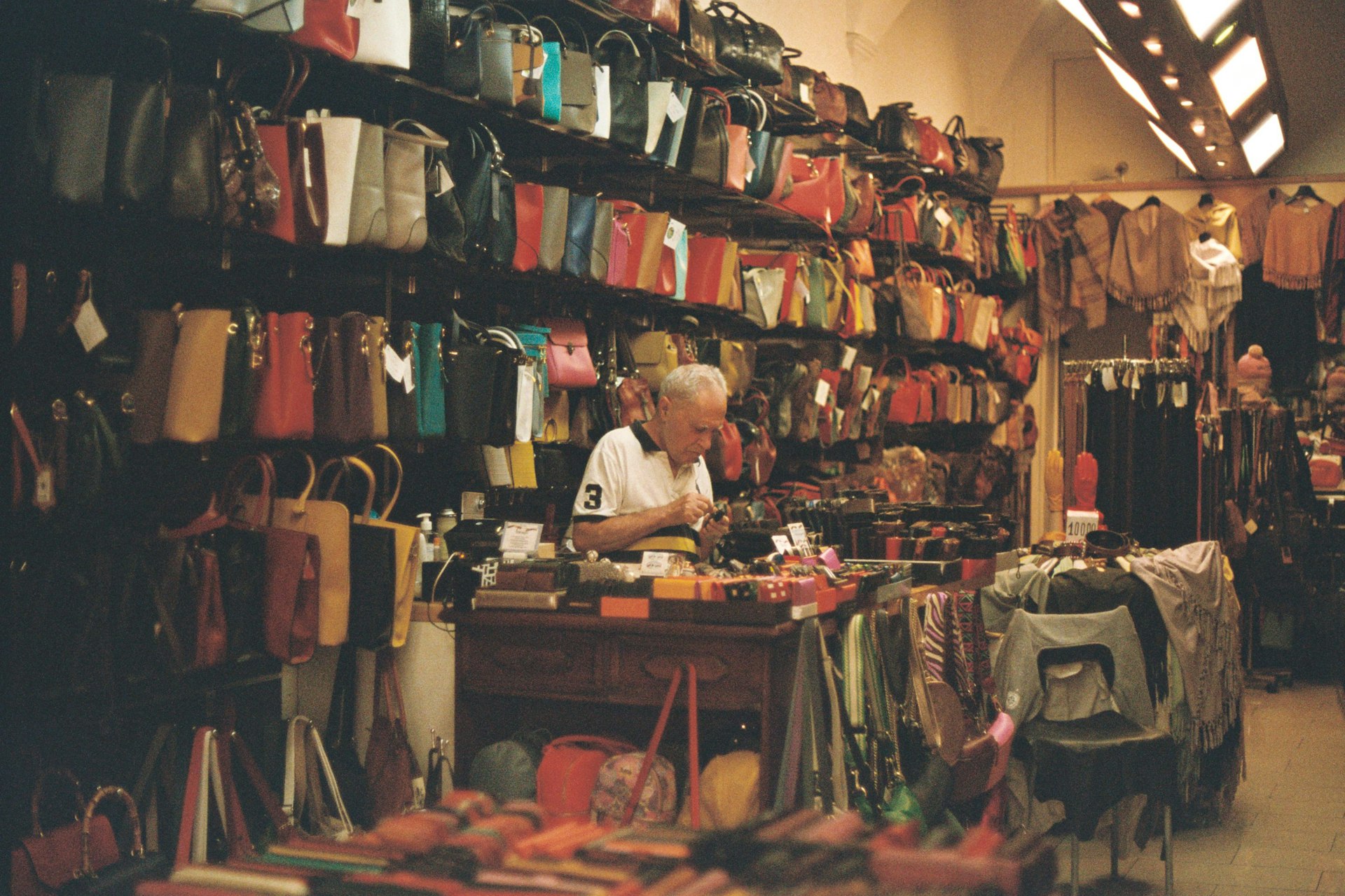
Several of Rome’s greatest private collections sit inside palazzi still inhabited by the families whose names hang over the entrances. A private walking tour that builds around these interiors visits the city as it actually lived for most of its post-Renaissance history.
The Galleria Doria Pamphilj, on Via del Corso, is owned and operated by the Doria Pamphilj family — the same family that produced Pope Innocent X. Their gallery contains Caravaggio’s Rest on the Flight into Egypt, Velázquez’s electrifying portrait of Innocent X, and Bernini‘s two portrait busts of the same pope in the same room. The audio guide is voiced by the current head of the family. The galleries can be visited privately before public opening.
Palazzo Colonna opens its Galleria Colonna to the public only on Saturday mornings, but a private guided visit can be arranged on quieter days. The Great Hall — used as a location in Roman Holiday — keeps the cannonball lodged in the marble staircase from the 1849 French siege. At Palazzo Barberini, the Gallerie Nazionali hold Caravaggio’s Judith Beheading Holofernes and Raphael’s portrait of La Fornarina, while above them the ceiling fresco by Pietro da Cortona stretches across a single immense room — the kind of work no group tour ever stops long enough to read.
The Casa Museo Mario Praz near Piazza dell’Orologio is one of Rome’s strangest interiors: the apartment of the literary critic Mario Praz, preserved exactly as he lived in it, crammed with Empire furniture, wax portraits, and a personal collection of 1,200 objects. Visits are by appointment only, in small groups of fewer than ten. The Casino Boncompagni Ludovisi (Villa Aurora) on Via Lombardia houses Caravaggio’s only known ceiling painting and Guercino’s Aurora, and after long legal proceedings the building is again accessible by private appointment.
Around the corner from Palazzo Altemps, the Museo Nazionale Romano at Palazzo Altemps holds the Ludovisi Throne and a series of antiquities arranged inside a 15th-century Renaissance palace — usually empty, even at midday.
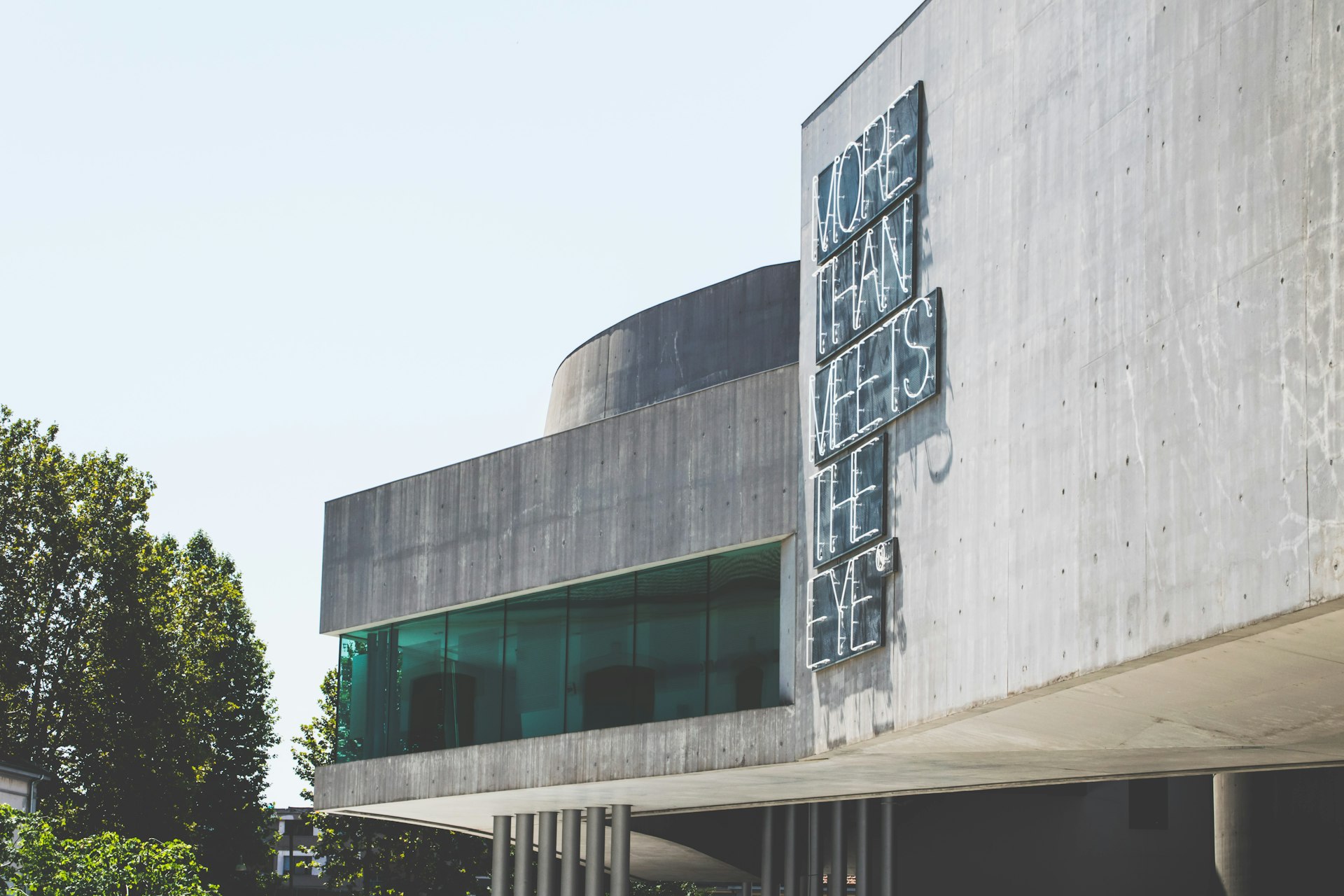
Rome’s 21st-century architecture concentrates in a single zone north of the centre, around the Flaminio district. MAXXI, Zaha Hadid’s national museum of contemporary art completed in 2010, is the most ambitious building Rome has built since the Fascist era — its interlocking concrete tubes and steel ribbons read very differently in person than in photographs. A short walk away, Renzo Piano’s Auditorium Parco della Musica shelters three lead-clad concert halls around an outdoor amphitheatre. MACRO, the city’s other contemporary museum in the converted Peroni brewery in Salario, completes the trio.
East of Termini, the eastern quartieri have changed hands across the last twenty years. Pigneto and Garbatella have already established themselves as Rome’s most interesting residential districts; Centocelle, two metro stops further out, is where the food scene is moving next. Necci dal 1924 in Pigneto — the bar Pier Paolo Pasolini used as his unofficial office while filming Accattone — still serves an honest lunch under a vine-covered pergola.
For travellers more interested in industrial archaeology, the Centrale Montemartini in the Ostiense district installs classical Roman sculpture inside a disused 1912 thermoelectric power station. The juxtaposition — a Roman emperor between two coal-fired turbines — is one of the most photographed and least visited rooms in any Capitoline museum.
The Regione Lazio licenses guides through a competitive examination — look for the Guida Turistica Abilitata badge, which is a regional rather than a national licence. A guide qualified for the province of Rome is the legal minimum; the better operators recruit guides with secondary specialisations in architecture, archaeology, or contemporary art.
For families and small groups, four to six hours of walking is the practical sweet spot — long enough to cover two or three neighborhoods, short enough to leave the afternoon free. Half-day routes work best when designed around a theme: artisan workshops, underground archaeology, hidden palazzi, or a single quartiere in depth. A full day, with a long lunch built in, is the right format for a single anchor neighbourhood like the Aventine or Quartiere Trieste.
For more curated experiences, Gold Black Style designs exclusive private walking tours of Rome around the specific interests of each guest — from craft routes through Campo Marzio to underground itineraries built around the Heart of Rome and out toward the city’s eastern districts.
The best window for off-the-beaten-path walking is mid-April to early June, and again from mid-September into early November — temperatures sit between 18 and 25 degrees, the light is long, and the cobblestones are dry. Mornings start at 8:30 if a Domus Aurea or early Vatican Museums slot is on the schedule; otherwise 10:00 gives time for a cornetto and the first coffee.
Comfortable rubber-soled shoes are non-negotiable on the sampietrini — Rome’s basalt cobblestones are unforgiving to leather soles and worse to any heel. Layers matter even in May, since the interiors of the older basilicas and underground sites stay cool well into summer. A linen jacket folds easily into a small bag for entry into churches that still ask for shoulders covered.
Long lunches are not optional: a private walking day that ends with a tasting menu at one of the city’s Michelin-starred restaurants, or a quieter midday at Armando al Pantheon or Roscioli, is how the city was always meant to be walked.
How long should an exclusive private walking tour of Rome last?
Four to six hours is the most rewarding format for a single day. It covers two or three quartieri, an artisan stop, and a museum or palazzo, without exhausting the group before lunch.
What makes a private walking tour off the beaten path different from a standard one?
Standard tours run a fixed route to compensate for variable group sizes — Colosseum, Forum, Pantheon, Trevi, Spanish Steps. An off-the-beaten-path private tour starts from your interests instead, builds around three or four less-visited locations, and includes access to workshops, palazzi, and underground sites that group operators cannot enter.
Can private tours include access to artisan workshops in Rome?
Yes. Workshops like Bottega Mortet, Bottega del Marmoraro on Via Margutta, and Cesare Diomedi receive private visitors by appointment when a guide arranges it in advance. A morning route through three or four workshops in Campo Marzio is one of the most distinctive things a private walking tour in Rome can offer.
Which Rome neighborhoods are best for a private walking tour away from crowds?
The Aventine Hill, San Saba, Quartiere Trieste (including the small Coppedè area), and Ostiense near Centrale Montemartini stay quiet even in peak season. Pigneto and Garbatella receive almost no day-tripping visitors. Within the centre, Campo Marzio in the morning and the Jewish Ghetto in the late afternoon are the calmest windows.
Are underground sites like the Domus Aurea easy to add to a private walking tour?
The Domus Aurea opens only on weekends and only to small guided groups, so it must be booked in advance — usually two to three weeks. The Stadio di Domiziano under Piazza Navona, the lower levels of San Clemente, and the Catacombe di Priscilla are easier to add at shorter notice.
What is the best time of year for a private walking tour of Rome?
Mid-April to early June, and from mid-September into early November. Temperatures sit in the low twenties, the light is long, and most of the appointment-only interiors keep their full opening calendars.
How far in advance should I book an exclusive private walking tour?
Three to six weeks for a standard half-day or full-day tour. Eight to ten weeks if the itinerary includes the Domus Aurea, after-hours museum access, or a tasting at one of the city’s Michelin-starred kitchens.
A culinary experience is the best way to immerse in the flavors and traditions of…
Discover More →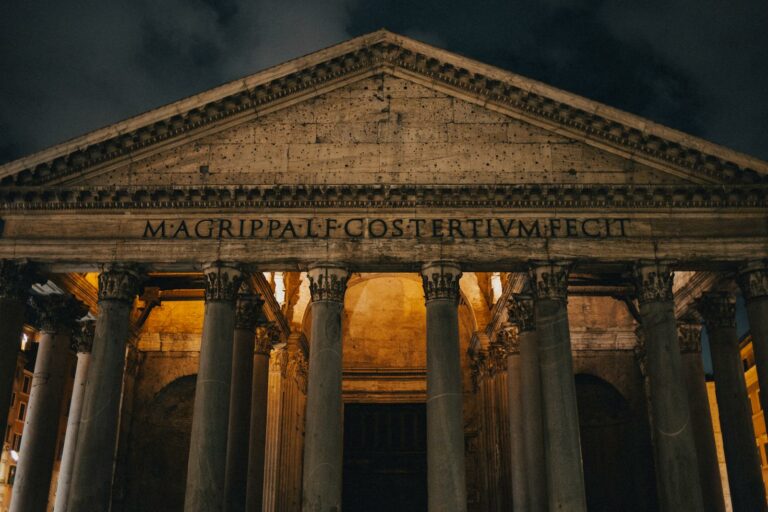
Experience Rome's magic after dark on a golf cart tour. Admire illuminated monuments and city…
Discover More →
Discover Rome's hidden parks and gardens on an e-bike tour. Explore Villa Torlonia and secret…
Discover More →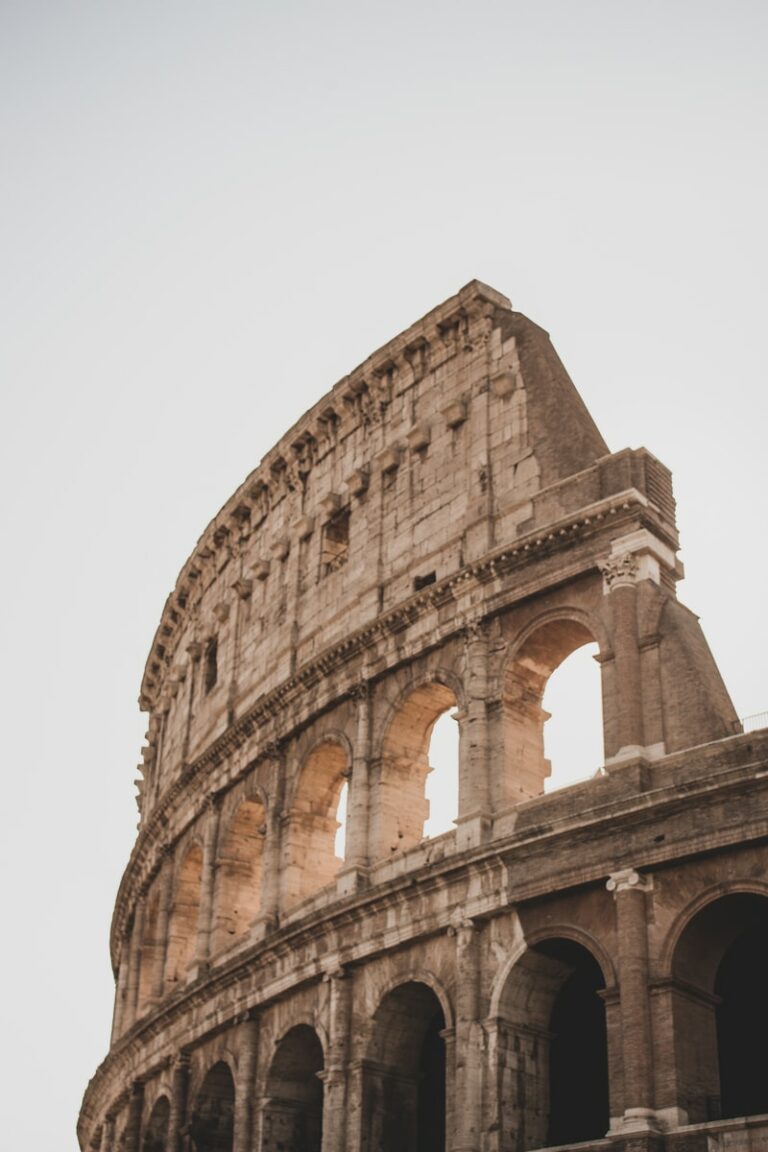
Immersive walking tour through Rome's iconic landmarks with expert guide. Discover the Colosseum, Pantheon, Trevi…
Discover More →